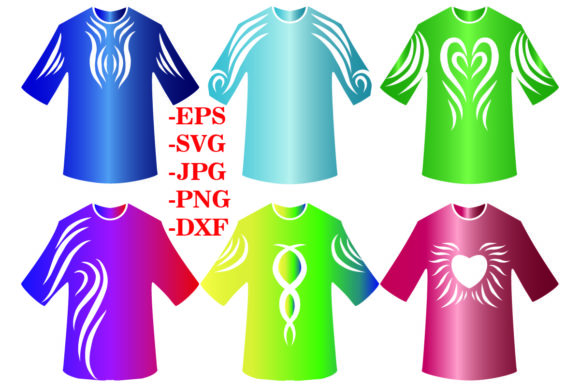
3d Clothes Set: A New Dimension in Fashion Design
The 3d Clothes Set represents a significant evolution in digital fashion design, offering creators and businesses a powerful tool to visualize and present clothing in three-dimensional space. Unlike traditional flat designs, this format allows for a more realistic and immersive representation of garments, making it particularly valuable for e-commerce, virtual try-ons, and digital fashion shows. Its versatility and precision have made it a popular choice among designers, developers, and marketers looking to enhance their visual storytelling.
What Makes 3d Clothes Set Unique?
The 3d Clothes Set stands out due to its ability to simulate real-world textures, lighting, and movement. This level of detail is crucial when presenting clothing items online, as it helps customers better understand the fit, fabric, and overall appearance of a garment. The set often includes multiple variations of the same clothing item, such as different colors, patterns, or styles, allowing for greater flexibility in design and presentation.
One of the key features of the 3d Clothes Set is its compatibility with various design software and platforms. Whether you're working with Blender, Maya, or Unity, these sets are typically formatted to work seamlessly across different tools, ensuring that users can integrate them into their existing workflows without significant rework.
Comparing 3d Clothes Set with Traditional Methods
Traditional methods of presenting clothing, such as 2D illustrations or photographs, have long been the standard in the fashion industry. However, they come with limitations. For instance, 2D images may not accurately convey how a garment drapes or moves, while photographs can be affected by lighting, angles, and background elements. In contrast, 3d Clothes Sets provide a consistent and scalable way to showcase products, reducing the need for extensive photo shoots and post-production editing.
Another advantage of 3d Clothes Sets is their potential for customization. With the right tools, designers can easily modify elements like color, texture, or pattern without starting from scratch. This makes them ideal for brands that want to offer personalized options or quickly adapt to changing trends.
Exploring 3d Logos in Men's Shirts
A related innovation within the 3d Clothes Set ecosystem is the use of 3d logos on men’s shirts. These logos, often created with transparent backgrounds, add a layer of sophistication and uniqueness to the design. They can be integrated into various ornate patterns, allowing for a blend of traditional craftsmanship and modern digital artistry.
Transparent backgrounds are especially useful when placing logos on different colored or textured shirts. This ensures that the logo remains visible and maintains its integrity regardless of the shirt's design. It also allows for greater creative freedom, as the logo can be positioned anywhere on the shirt without being constrained by the background.
Strengths and Tradeoffs of 3d Clothes Set
The primary strength of the 3d Clothes Set lies in its ability to enhance user engagement and reduce uncertainty in online shopping. By providing a more accurate representation of the product, it can lead to higher customer satisfaction and fewer returns. Additionally, it streamlines the design process, enabling faster prototyping and iteration.
However, there are tradeoffs to consider. Creating high-quality 3d Clothes Sets requires technical expertise and access to specialized software. This can be a barrier for small businesses or independent designers who may not have the resources to invest in advanced tools. Moreover, the initial setup and rendering time can be substantial, especially for complex models with detailed textures and animations.
When 3d Clothes Set Is the Right Choice
The 3d Clothes Set is particularly well-suited for businesses that prioritize visual accuracy and customer experience. E-commerce platforms selling clothing, accessories, or custom-designed items can benefit greatly from this technology. It is also ideal for brands looking to create virtual try-on experiences, which are becoming increasingly important in the digital age.
For example, a company specializing in luxury menswear might use 3d Clothes Sets to showcase its latest collection in an interactive online gallery. This approach not only highlights the quality of the garments but also provides a more engaging way for customers to explore the brand’s offerings.
Alternatives to 3d Clothes Set
While 3d Clothes Sets offer many advantages, they are not the only option available. Traditional 2D illustrations and photographs remain widely used, especially for smaller-scale operations or brands that prefer a more straightforward approach. These methods can be cost-effective and quick to produce, making them suitable for certain use cases.
Another alternative is the use of augmented reality (AR) applications, which allow users to see how a garment would look on them in real-time. While AR offers a dynamic and interactive experience, it requires additional development and infrastructure, which may not be feasible for all businesses.
Best-Fit Situations for 3d Clothes Set
The 3d Clothes Set is most effective when used in conjunction with other digital tools and strategies. For instance, combining 3d models with video content can create a compelling narrative that showcases both the design and functionality of the clothing. Similarly, integrating 3d Clothes Sets into a website’s product pages can enhance the overall shopping experience by providing a more immersive view of the items.
It is also beneficial for brands that operate in international markets, where cultural and stylistic differences can affect how a garment is perceived. By using 3d Clothes Sets, companies can ensure that their products are presented consistently across different regions and platforms.
Limitations and Decision Factors
Despite its benefits, the 3d Clothes Set is not a one-size-fits-all solution. Businesses must carefully evaluate their needs, resources, and goals before deciding to adopt this technology. Key factors to consider include budget, technical capabilities, target audience, and the desired level of interactivity.
For example, a small boutique may find that the cost and complexity of creating 3d Clothes Sets outweigh the potential benefits. In such cases, a hybrid approach—using a mix of 2D and 3d elements—may be more practical. On the other hand, a large fashion brand with a strong digital presence may find that 3d Clothes Sets are essential for maintaining a competitive edge.
Conclusion: Making an Informed Decision
The 3d Clothes Set offers a powerful way to enhance the presentation and understanding of clothing items, particularly when combined with 3d logos and transparent backgrounds. However, its effectiveness depends on a variety of factors, including the specific needs of the business, the target audience, and the available resources.
By carefully evaluating the strengths, tradeoffs, and alternatives, businesses can determine whether the 3d Clothes Set is the right choice for their goals. Whether used as a standalone tool or integrated with other digital strategies, it has the potential to transform how clothing is designed, marketed, and experienced in the modern world.