Green Gradient Digital Papers: A Strategic Tool for Creative and Professional Excellence
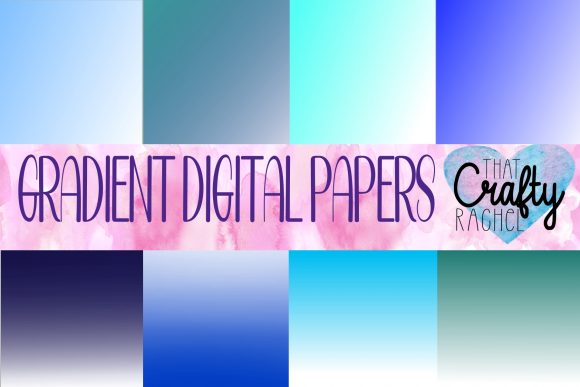
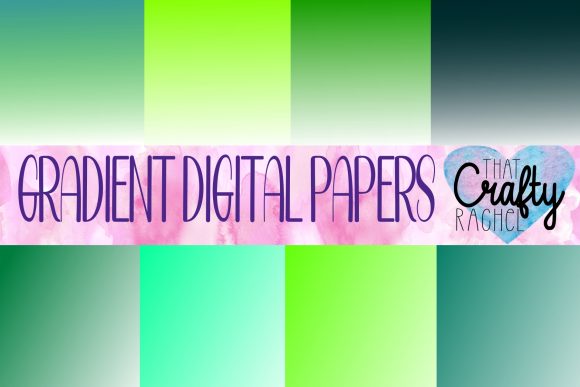
In today’s fast-paced digital landscape, the right tools can make a significant difference in how professionals, creators, and entrepreneurs communicate, plan, and execute their goals. Green Gradient Digital Papers offer a unique blend of visual appeal and practical utility, making them a valuable asset for anyone looking to enhance their work with subtle yet impactful design elements. With 26 distinct digital papers featuring both diagonal and vertical gradient patterns in green hues, this collection provides a versatile foundation for a wide range of applications.
The Green Gradient Digital Papers bundle is more than just a set of images—it’s a strategic resource that supports branding, communication, and creative workflows. Each paper is designed at 300DPI and set to 12 by 12 inches, ensuring high-quality output for print and digital use. While not all 26 papers are visible in the provided images, the variety of diagonal and vertical gradient patterns offers a rich palette of options for intentional design choices.
Why Green Gradient Digital Papers Matter for Strategic Decision-Making
Choosing the right visual elements for your projects isn’t just about aesthetics; it’s about aligning with your goals and audience. Green, as a color, symbolizes growth, balance, and renewal—qualities that resonate well with professionals in fields like sustainability, education, and business development. When paired with gradient effects, these papers add depth and sophistication without overwhelming the viewer.
For entrepreneurs and small business owners, Green Gradient Digital Papers can serve as a foundation for marketing materials, presentations, or branding assets. By incorporating these papers into your workflow, you can create a cohesive visual identity that reinforces your brand’s message while maintaining a professional appearance. This consistency helps build trust and recognition among your target audience.
Marketers and content creators can also benefit from the versatility of these papers. Whether designing social media posts, email templates, or website backgrounds, the gradients provide a dynamic backdrop that draws attention without distracting from the main content. The subtle interplay of light and shadow in the green hues adds a layer of visual interest that can elevate the overall user experience.
When and How to Use Green Gradient Digital Papers Effectively
The key to leveraging Green Gradient Digital Papers lies in understanding when and how they fit into your broader strategy. These papers are most effective when used intentionally, rather than as a default background or filler element. Consider the context of your project and the message you want to convey before selecting a specific paper.
For example, if you’re creating a presentation on environmental sustainability, a diagonal green gradient might symbolize movement and progress. In contrast, a vertical gradient could evoke stability and growth—ideal for a business proposal or educational material. By matching the gradient pattern to the purpose of your work, you can reinforce your message and engage your audience more effectively.
Another consideration is the balance between the paper’s design and the other elements in your composition. Overuse of gradients can lead to visual clutter, which may detract from the clarity of your message. Instead, use these papers as a subtle base that complements your text, images, and other design components. This approach ensures that the focus remains on the content rather than the background.
Planning and Execution: Best Practices for Using Green Gradient Digital Papers
To get the most out of Green Gradient Digital Papers, start by defining your objectives. Are you using them for a personal project, a client campaign, or an internal document? Understanding the purpose will guide your selection and application of the papers. For instance, if you’re designing a brochure for a wellness company, a soft vertical gradient might create a calming effect that aligns with the brand’s values.
Additionally, consider the technical specifications of the papers. At 300DPI and 12 by 12 inches, they are optimized for high-quality printing and digital display. This means you can confidently use them in both physical and online formats without compromising on resolution or detail. However, it’s important to test the papers in different contexts to ensure they meet your needs.
When planning your design, think about how the gradients interact with other elements. If you’re using a diagonal gradient, you might position text or images to follow the direction of the gradient, creating a sense of flow. For vertical gradients, you could use them to separate sections or highlight key points. These techniques help maintain visual harmony and improve the readability of your work.
Risks of Using Green Gradient Digital Papers Without Clear Intent
While Green Gradient Digital Papers offer many benefits, they can also be misused if not approached with intention. One common risk is over-reliance on the design elements without considering their relevance to the overall goal. For example, using a gradient paper simply because it looks “cool” may not align with the message or audience of your project.
Another potential issue is inconsistency. If you mix multiple gradient styles without a clear rationale, your work may appear disjointed or unprofessional. To avoid this, establish a design framework that guides your use of the papers. This might include choosing one or two gradient types for a particular project, or using them in specific areas such as headers, footers, or backgrounds.
Finally, failing to test the papers in real-world scenarios can lead to unexpected results. What looks good on a screen may not translate well to print, or vice versa. Always review your designs in different formats and environments to ensure they meet your quality standards and functional requirements.
Long-Term Value: Building a Strategic Design Toolkit
Green Gradient Digital Papers are not just a quick fix—they can be part of a long-term design strategy that supports continuous improvement and innovation. By integrating these papers into your workflow, you gain access to a flexible resource that can adapt to changing needs and trends.
For professionals who frequently work on visual projects, having a curated set of high-quality digital papers can save time and effort. Instead of searching for suitable backgrounds or textures, you can quickly select from a pre-approved collection that aligns with your brand and goals. This efficiency allows you to focus more on the creative and strategic aspects of your work.
Moreover, the diversity of the collection—13 diagonal and 13 vertical gradient patterns—ensures that there’s always a suitable option for your needs. Whether you’re working on a simple document or a complex design project, the range of papers provides flexibility and inspiration. This variety also encourages experimentation, helping you discover new ways to apply gradients in your work.
Conclusion: Intentional Use for Better Outcomes
Green Gradient Digital Papers offer a powerful tool for enhancing visual communication, supporting strategic goals, and improving overall productivity. By using these papers with intention, you can create designs that are not only visually appealing but also meaningful and effective.
Whether you’re an entrepreneur, marketer, educator, or designer, the thoughtful integration of Green Gradient Digital Papers can contribute to better decision-making, stronger branding, and more impactful results. Remember, the key is to use them strategically—not just for their aesthetic value, but for their ability to support your broader objectives.